How Building Design Affects Cleaning Difficulty (and Costs)
When people think about commercial cleaning costs, they often focus on square footage alone. While size matters, the actual design of a building can have just as much impact on how difficult a property is to clean and maintain consistently.
Layout, flooring materials, glass usage, architectural details and traffic flow all influence how much labor, equipment and maintenance a facility requires over time. Two buildings with the same square footage can have completely different cleaning demands depending on how the space was designed.
Layout Directly Impacts Cleaning Efficiency
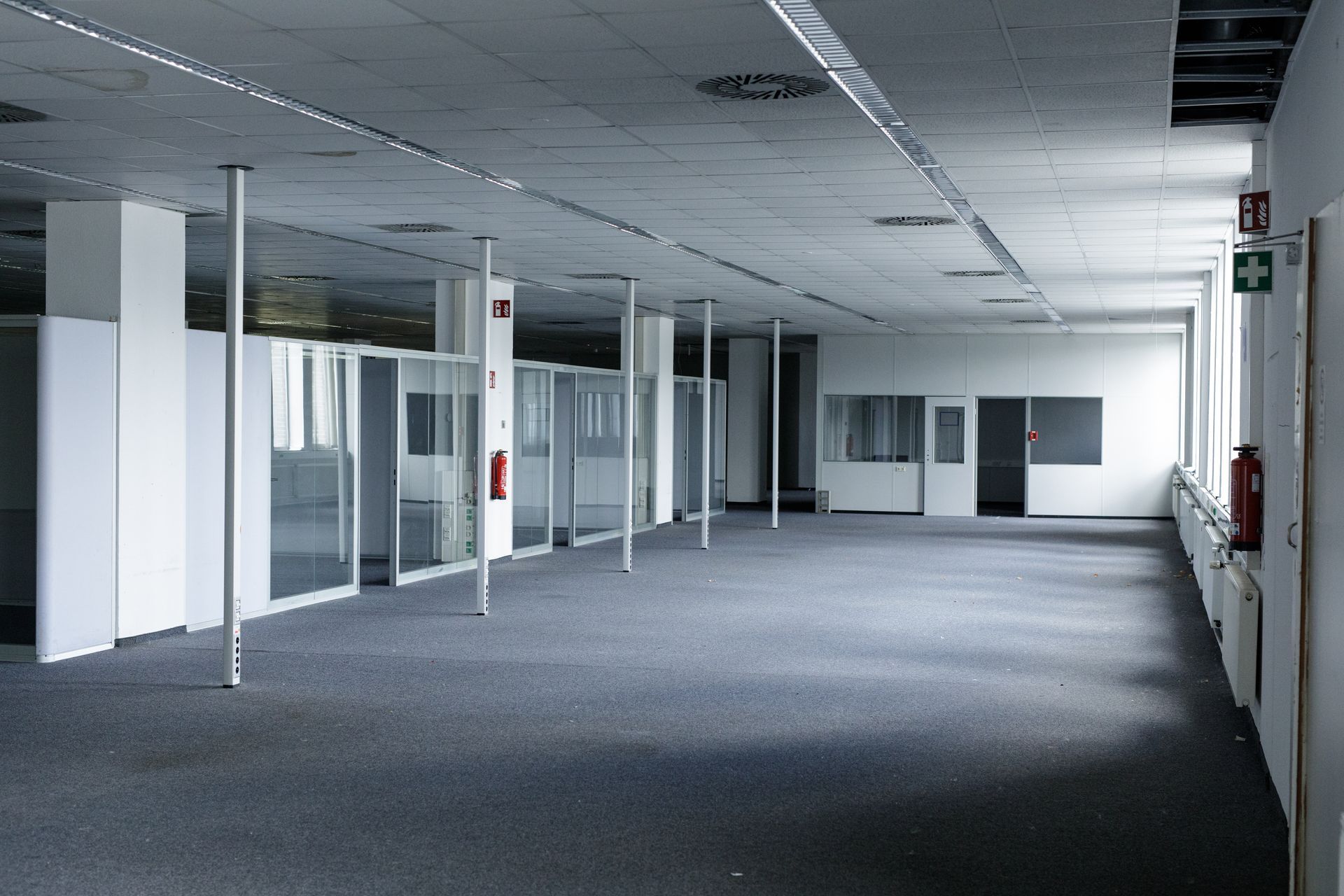
Open office layouts are often easier to clean from a movement and accessibility standpoint. Larger uninterrupted spaces allow crews to vacuum, mop and sanitize more efficiently without constantly navigating around walls, doors or confined areas. However, open spaces also tend to show dust, footprints and debris more visibly because there are fewer physical separations between work areas.
Segmented office layouts create a different challenge. Buildings with many individual offices, conference rooms, hallways and enclosed workspaces require more detailed cleaning movement. Crews spend additional time entering and exiting rooms, cleaning around furniture and addressing separate touchpoints throughout the property.
The more fragmented a layout becomes, the more labor-intensive routine cleaning tends to be.
Traffic flow matters as well. Open office layouts often concentrate foot traffic into shared walkways, breakrooms and common areas, which can cause debris and floor wear to accumulate quickly in those zones. More segmented buildings may spread traffic across multiple offices and corridors, but they also introduce additional touchpoints, doorways and smaller spaces that require individual attention during cleaning.
Flooring Transitions Increase Cleaning Complexity
One of the most overlooked contributors to cleaning difficulty is flooring variation.
Many commercial buildings use multiple flooring materials throughout the property, including carpet, tile, polished concrete, vinyl and natural stone. While this may improve aesthetics or functionality, it also creates additional cleaning complexity.
Each flooring type requires different equipment, cleaning solutions and maintenance methods. Carpet requires vacuuming and periodic extraction, while hard flooring may need mopping, burnishing or specialized surface care.
Frequent flooring transitions also slow down cleaning efficiency. Moving repeatedly between carpeted offices, tiled hallways and hard-surface common areas increases labor time because crews must continuously switch tools and processes.
Transitions themselves also tend to collect dirt and debris more quickly. Dust often gathers along seams and edges where flooring materials change, making these areas more difficult to maintain consistently.
Glass Usage Significantly Increases Maintenance Demands
Modern commercial buildings often incorporate large amounts of glass into their design, especially in offices, retail centers and shared workspaces.
While glass walls and office partitions can help cultivate an open, clean and professional appearance, it also dramatically increases cleaning requirements.
Glass surfaces show fingerprints, dust, smudges and water spots much faster than many other materials. Interior glass partitions, conference room walls, entry doors and storefront windows all require ongoing attention to maintain a polished appearance.
Exterior glass also creates additional maintenance considerations. Multi-story windows, large storefront systems and architectural glass features often require specialized equipment and scheduling to clean safely and effectively.
Architectural Features Can Make Cleaning More Difficult
Some architectural elements look impressive visually but create long-term maintenance challenges.
High ceilings, exposed beams, decorative ledges, light fixtures and complex wall textures all increase cleaning difficulty because they collect dust in areas that are harder to access routinely.
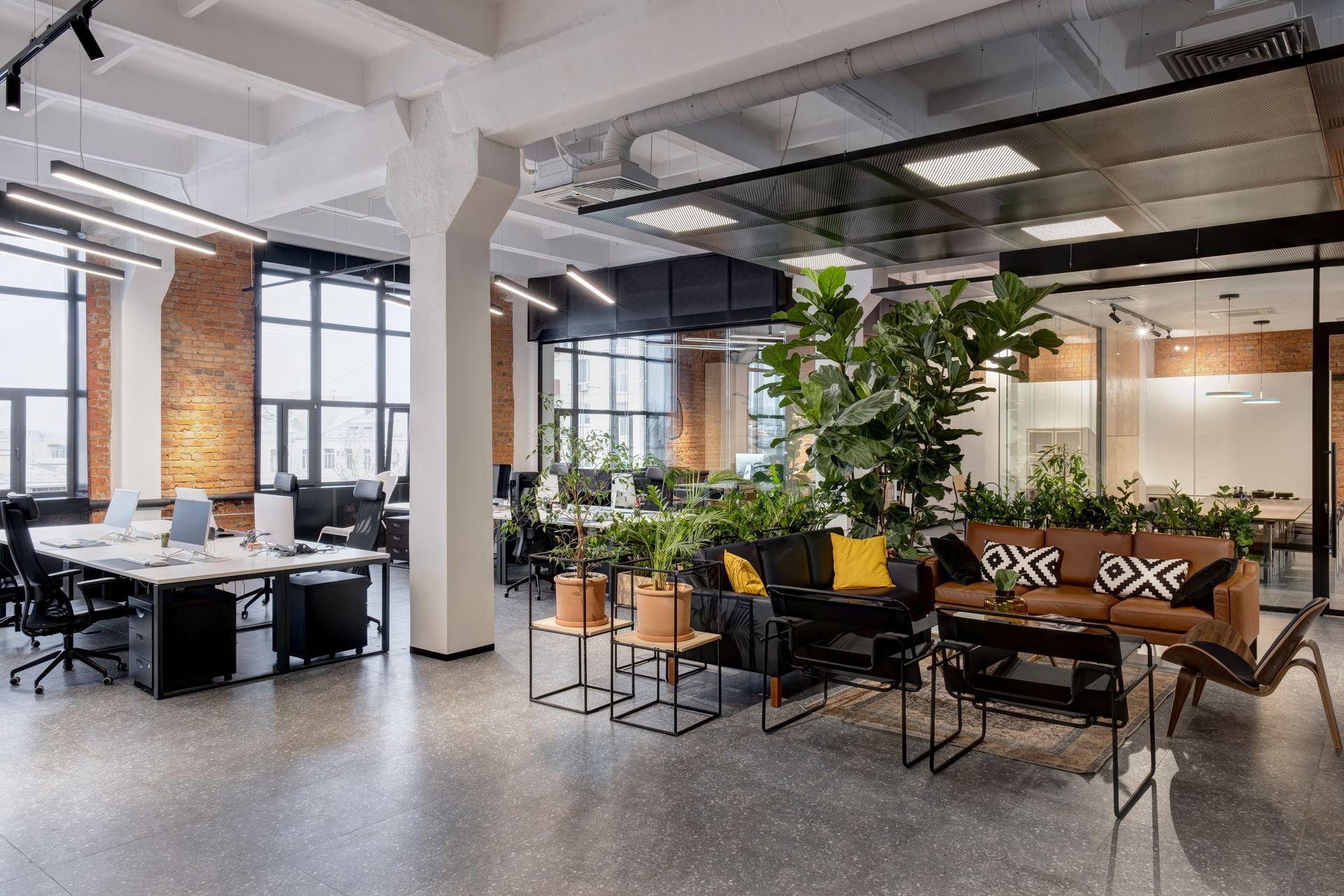
Modern industrial-style spaces, for example, often include exposed ductwork and open ceilings that accumulate visible dust over time. Similarly, decorative stonework, textured walls and custom finishes may require specialized cleaning methods to avoid damage while still maintaining appearance.
Furniture layouts and built-in design features can also impact cleaning accessibility. Tight corners, fixed seating, raised platforms and decorative planters may create areas where debris accumulates more quickly or becomes harder to reach during routine service.
Consistency Matters in Phoenix Offices and Commercial Buildings
Without consistency, issues like dust buildup, flooring wear, streaked glass and neglected corners become increasingly noticeable, especially in professional environments where appearance directly impacts visitors, tenants and employees.
ProEthic Building Services provides commercial cleaning services tailored to the unique demands of your facility. Whether your building features open office layouts, high-traffic common areas, extensive glass surfaces or specialized architectural elements, our team develops cleaning programs designed around how your property actually functions.
Contact us at (480) 725-8912 to learn more about creating a cleaning plan that keeps your facility consistent, professional and properly maintained year-round.