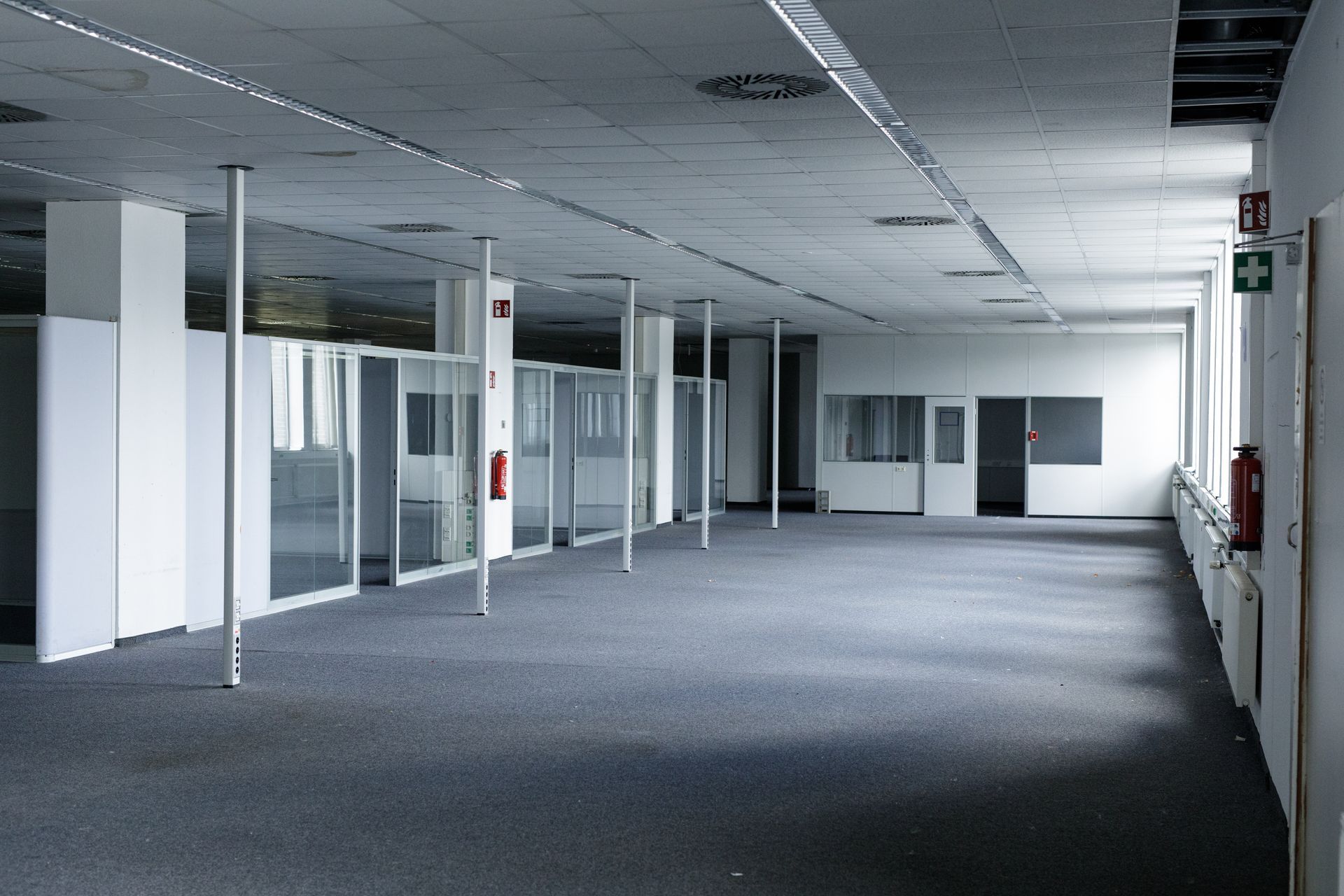
Where Office Odors Actually Come From and How to Address Them
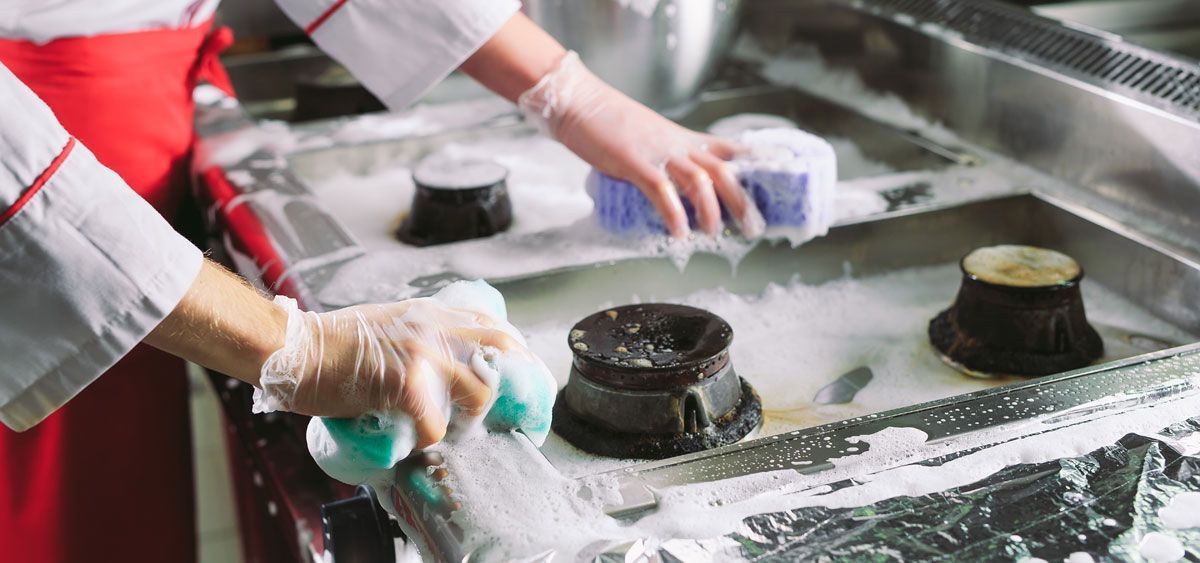
Office odor complaints often surface in buildings that otherwise appear clean. Floors are mopped, trash is emptied and restrooms are serviced, yet unpleasant smells linger or keep returning. In most cases, the issue is not a lack of cleaning, but where and how cleaning is being performed.
Odors are typically the result of residue, moisture or organic material. Some of the sources are simply not addressed by routine cleaning. In other cases, a cleaner’s approach might be responsible for lingering or the reappearance of odors.
Why Odors Linger in “Clean” Office Spaces
Standard office cleaning focuses on visible surfaces and high-priority tasks. While that keeps spaces looking presentable, it does not always remove the sources that generate odors. Air circulation can move smells from one area to another, making the origin harder to identify.
Air fresheners and deodorizing products may temporarily mask the issue, but they do not resolve the underlying cause. Without targeted cleaning, odors resurface and complaints continue.
Breakrooms and Shared Kitchens
Breakrooms are one of the most common sources of office odors. Food residue builds up on appliance exteriors, handles and control panels. Spills around refrigerators, microwaves and coffee stations often reach base areas and flooring where they are not addressed during routine cleaning.
Trash containers contribute as well. Even when liners are changed regularly, the containers themselves can absorb odors over time. Floors and grout near trash areas trap moisture and organic material, creating smells that linger long after the trash is removed.
Consistent detail cleaning in breakrooms is essential. Wipe-downs alone are rarely enough to prevent odor buildup in these spaces.
Restrooms Beyond the Fixtures
Restrooms can smell clean early in the day and develop odors later as usage increases. This usually points to moisture and residue in areas beyond sinks and toilets.
Floors, partitions and dispenser exteriors often hold onto moisture and organic material. Grout lines and base areas are especially vulnerable. Without sufficient attention, these surfaces become odor sources that are difficult to eliminate with surface-level cleaning.
High-use restrooms may also require daytime attention. Odors that develop midday are rarely resolved by nighttime cleaning alone.
When Cleaning Practices Spread Odors Instead of Removing Them
In some cases, restroom odors persist or worsen after mopping due to how cleaning is performed rather than what products are used. When mop water is not changed frequently enough, or when the same mop and solution are used across multiple restrooms or adjacent areas, contaminants are diluted and redistributed instead of removed.
If water is reused, odor-causing compounds are spread across grout, base areas and nearby walkways. As those surfaces dry, odors become more noticeable rather than less.
Well-managed commercial cleaning programs control this risk by separating restroom tools (like mop heads) from common areas and refreshing cleaning solutions frequently. When those controls are missing or skipped for the sake of expediency, odors can linger even in facilities that are cleaned on a regular schedule.
Soft Surfaces and Flooring
Carpets, mats and upholstered furniture absorb odors over time. Foot traffic carries in oils, moisture and debris that settle into fibers. Vacuuming removes surface debris, but it does not address embedded material that contributes to lingering smells.
Fabric partitions and seating can also trap odors, especially in offices with food consumption or heavy use. Without periodic deep cleaning, these soft surfaces continue to release odors back into the space.
Recognizing when routine cleaning is no longer sufficient helps prevent odor problems from becoming permanent.
Trash Areas and Waste Handling
Centralized trash rooms and waste collection areas can affect nearby offices if not properly maintained. Odors migrate through corridors and shared spaces, often leading occupants to assume the issue is local to their area.
Inconsistent liner changes, unclean containers and infrequent floor cleaning all contribute. Addressing waste handling as part of a comprehensive cleaning plan helps prevent odors from spreading beyond their point of origin.
Odors as Indicators of Cleaning Gaps
Persistent odors are often an early sign that certain tasks are being missed or performed too infrequently. They point to patterns, not one-time issues.
Recurring smells in the same areas indicate where cleaning programs need adjustment. Addressing these gaps early prevents larger problems and reduces occupant complaints.
Addressing Phoenix Office Odors Through Better Cleaning Practices
Effective odor control starts with identifying sources, not covering them up. Targeted cleaning, adjusted frequencies and attention to detail in high-risk areas make a measurable difference for offices in Phoenix.
Coordinating nightly cleaning with daytime porter support helps manage odors in high-use spaces. Professional assessments can uncover hidden contributors that routine cleaning overlooks.
Get professional recommendations on eliminating persistent office odors through improved cleaning and maintenance by calling (480) 725-8912 to request a consultation with ProEthic Building Services.