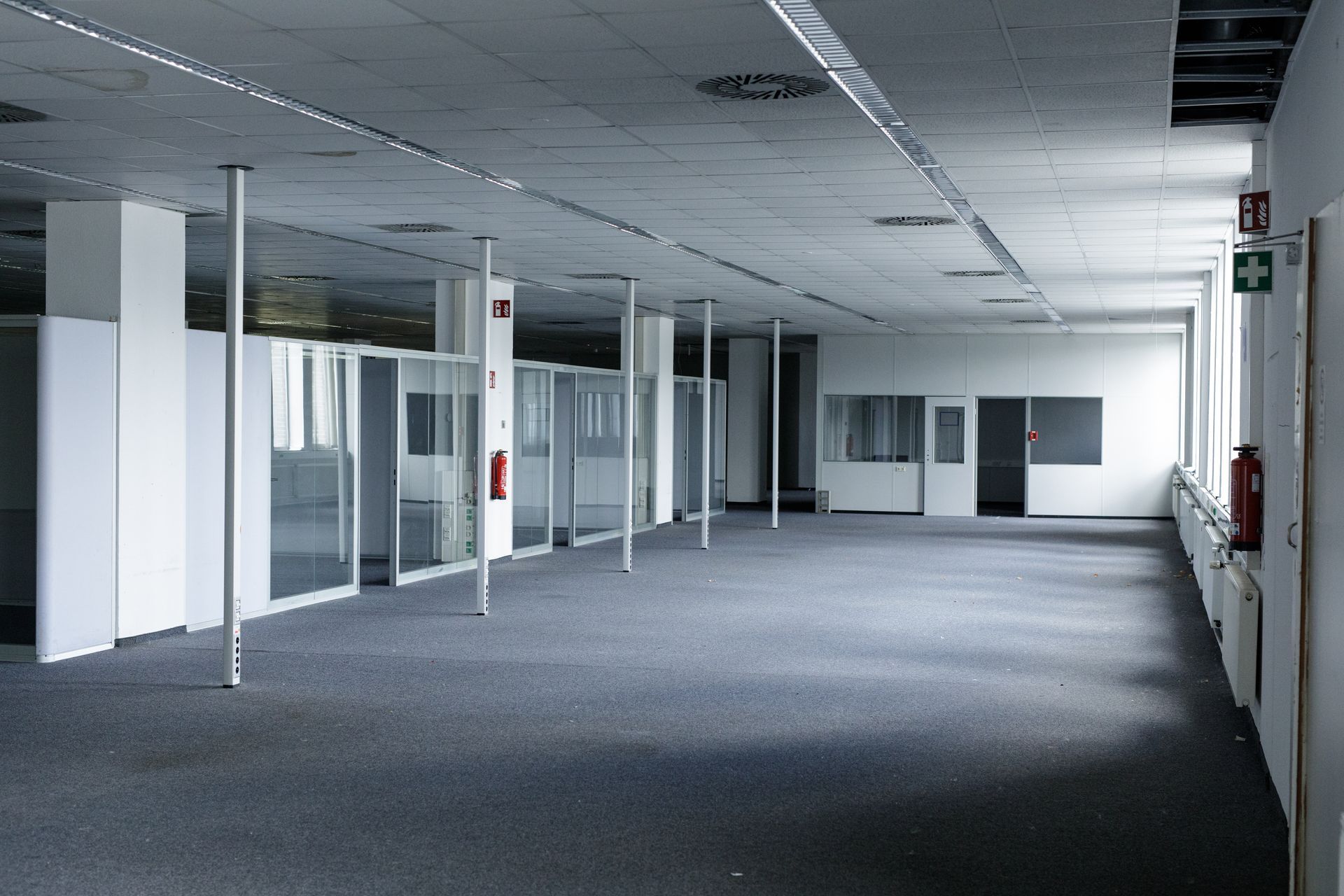
Why Do Some Commercial Buildings Always Smell "Old"?
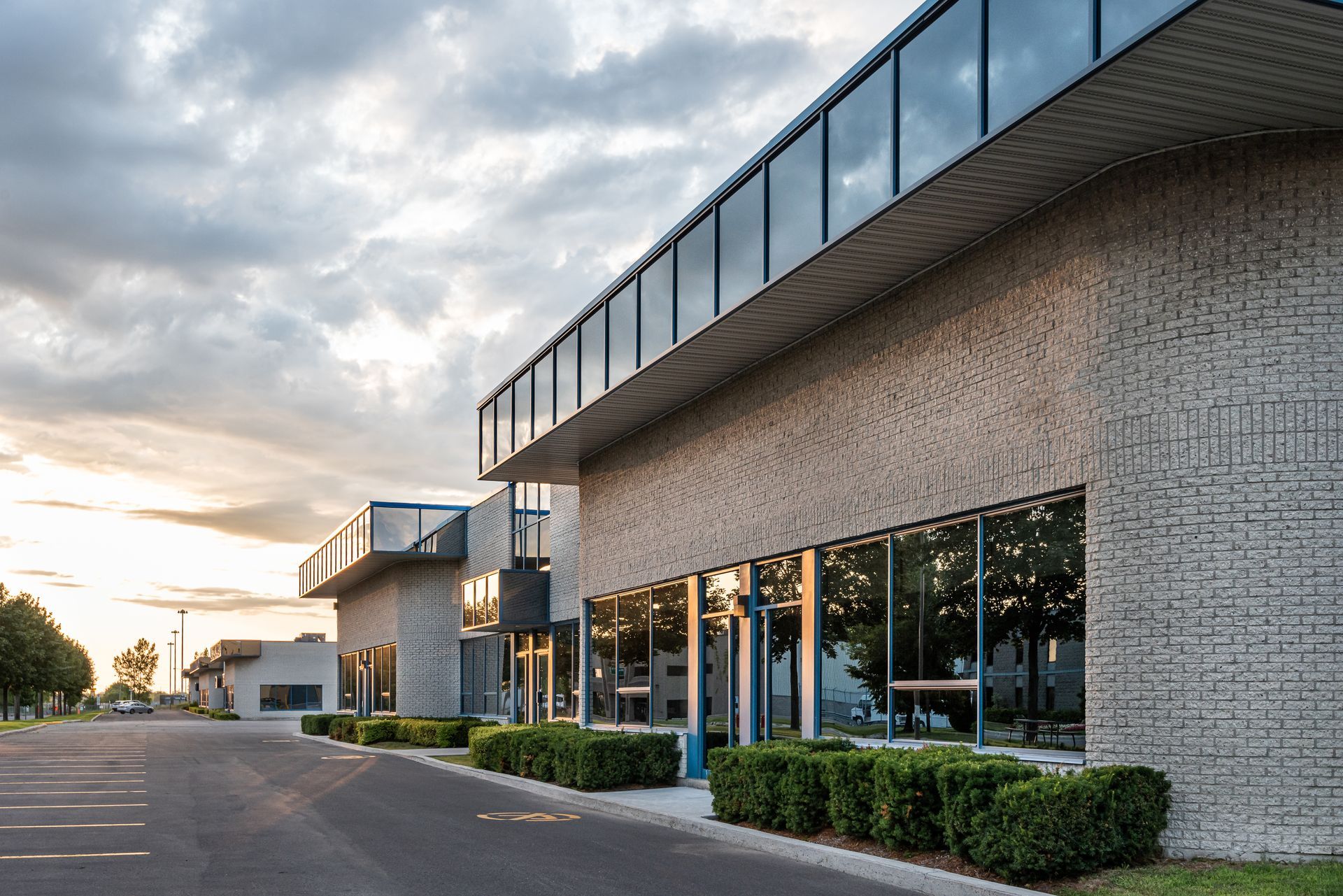
Have you ever walked into a commercial building that looked clean but still had a distinct "old building" smell? Even with regular janitorial services, some offices, medical facilities, schools and commercial properties develop a stale odor that seems impossible to eliminate.
The reason is that odors often come from much more than surface dirt. While routine cleaning removes dust, trash and everyday grime, lingering smells can originate from the building materials themselves, aging HVAC systems, hidden moisture issues or areas that receive little attention over the years.
Porous Materials Hold Onto Odors
Many materials found throughout commercial buildings absorb moisture, airborne particles and odors over time because they are naturally porous. Common examples include:
- Carpet
- Upholstered furniture
- Acoustic wall panels and ceiling tiles
- Wood surfaces
- Fabric cubicle partitions
Unlike glass, metal or tile, porous materials gradually trap odors from food, cleaning chemicals, smoke, humidity and everyday building occupancy.
Even after a thorough surface cleaning, these materials may continue releasing absorbed odors back into the air.
Periodic deep cleaning can help reduce buildup, but in older buildings, some materials eventually reach a point where replacement becomes the most effective long-term solution.
Aging Carpet Backing Can Produce Persistent Odors
One of the biggest contributors to lingering odors often lies underneath the visible fibers.
As carpet ages, the backing and padding can begin to deteriorate. Years of foot traffic, moisture exposure, spills and repeated cleaning cycles may allow contaminants to become trapped below the surface.
Even professionally cleaned carpet may continue producing stale odors if the backing has absorbed years of moisture or organic material.
Ceiling Tiles Can Trap Years of Odors
Ceiling tiles often go unnoticed because they're out of sight, but they can absorb odors just like carpeting or upholstery. Over time, ceiling tiles may collect:
- Dust
- Cooking odors
- Tobacco residue from years past
- Moisture from roof leaks
- Airborne contaminants
Previous water intrusion can be especially problematic. Stained ceiling tiles from old roof or plumbing leaks may continue retaining moisture-related odors or develop a persistent mildew smell if they were never replaced after the leak was repaired.
Neglected Storage and Janitorial Areas Can Become Odor Sources
Storage rooms, janitorial closets, maintenance spaces and mechanical rooms often receive less attention than occupied areas, but they can become significant sources of persistent odors.
Janitorial closets are particularly vulnerable because they may contain floor drains, utility sinks or hose connections used to fill cleaning buckets, along with damp mop heads, reusable cleaning cloths and other wet equipment. Some facilities also have washers and dryers in these spaces for laundering cleaning materials.
Poor drainage, standing water, damp textiles or inadequate ventilation can create a persistent mildew smell that eventually spreads into nearby hallways and offices.
Other potential odor sources in infrequently inspected spaces include old cardboard boxes, unused furniture, forgotten food and accumulated debris.
Some Odors Originate Beyond the Reach of Routine Cleaning
Commercial cleaning can address many odor sources, but some persistent smells originate in areas that routine janitorial services cannot access.
Older HVAC systems may develop odors from accumulated dust, moisture, dirty evaporator coils or poorly maintained condensate systems.
In some cases, a musty smell may be the lingering result of a previous moisture problem that was resolved long ago. Even after visible damage has been repaired, odors trapped inside porous materials, such as ceiling tiles, can remain.
If a building has a persistent smell that doesn't improve with routine cleaning, property managers may want to investigate whether historical moisture damage is contributing to the problem.
Identifying and Correcting Cleaning Gaps in Phoenix Facilities
There are limits to what janitorial service can address. Commercial cleaners cannot repair water damage, replace deteriorated building materials or service HVAC equipment, but responsible cleaning can help prevent some common sources of lingering “old building” odors.
Keeping janitorial closets clean and dry, staying ahead of carpet and upholstery buildup and regularly addressing overlooked areas can all help keep stale or musty smells from taking hold.
Contact us at ProEthic Building Services today by calling (480) 725-8912 and learn how a customized cleaning program can support a fresher, better-maintained commercial building.