High-Touch Points in Commercial Spaces You’re Probably Overlooking
Dan O'Brien • October 16, 2025
high tough point surfaces

When it comes to maintaining a clean and healthy workplace, most facility managers already recognize the importance of disinfecting high-touch areas like door handles, elevator buttons, and shared equipment. But there are many equally high-contact surfaces that aren’t as obvious and can slip through the cracks during routine cleaning. These include things like:


  • Chair armrests and conference table edges
  • Light switches and thermostat controls
  • Copier touchscreens and printer trays
  • Shared cabinet and appliance handles
  • Handrails, especially on stairwells or loading docks
  • Desk phone receivers and shared headsets


Addressing these less obvious touch points can make a noticeable difference in cleanliness perception and help maintain a healthier workspace overall.


A professional cleaning plan that prioritizes these hidden hot spots not only safeguards health but also extends the lifespan of office furniture, fixtures, and electronics.


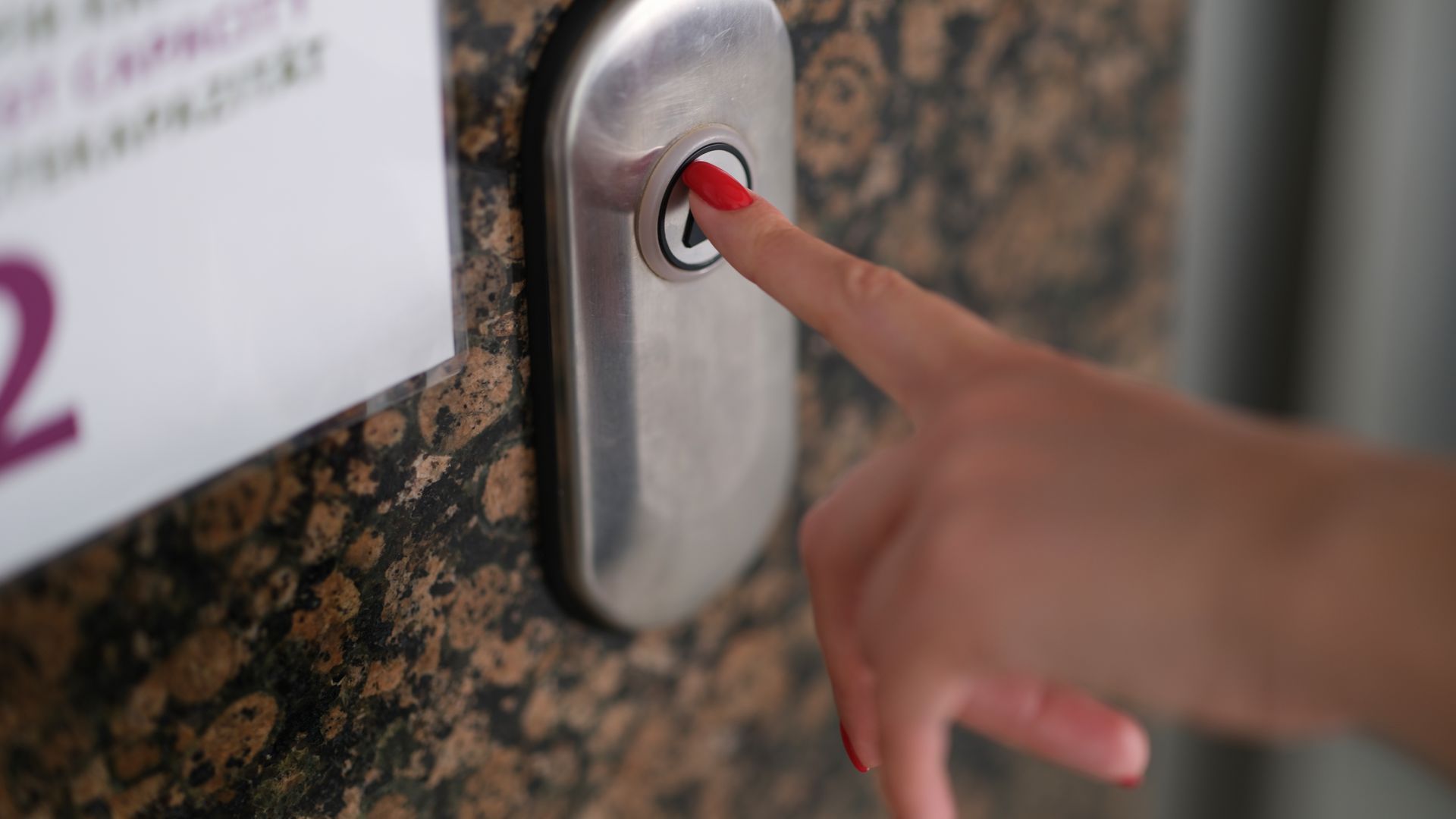
Door Handles, Push Plates, and Elevator Buttons

Door hardware and elevator controls are some of the most frequently touched items in any building, yet they’re often given only a quick wipe rather than a full disinfection. Because these surfaces can host bacteria and viruses transferred from hundreds of hands daily, they require daily cleaning with EPA-approved disinfectants. Stainless steel, brass, and painted finishes should be cleaned carefully to prevent corrosion or damage while ensuring complete sanitization.


Shared Electronics and Office Equipment

From the printer’s control panel to shared tablets, keyboards, and conference room remotes, technology is a major contamination source. Dust, skin oils, and microbes can linger on keys and touchscreens, spreading illness across teams. Wiping these devices with alcohol-based disinfectant wipes designed for electronics keeps them safe for regular use. Many cleaning professionals schedule these items into nightly routines to prevent buildup without disrupting workflow.


Breakroom Appliances and Surfaces

Microwave handles, refrigerator doors, coffee pot buttons, and vending machine panels are touched by nearly everyone in the office, but rarely get disinfected as often as they should. Breakroom cleaning should include sanitizing appliance handles, wiping counters with food-safe disinfectants, and cleaning sink fixtures daily to prevent cross-contamination.


Light Switches and Thermostat Controls

Light switches and thermostats might seem insignificant, but they may be touched repeatedly throughout the day by employees, maintenance staff, and visitors. Because they’re often out of sight during cleaning rounds, grime can accumulate quickly. Including them on a weekly or daily cleaning checklist helps eliminate these “forgotten” high-touch points and maintains a consistent level of cleanliness across the building.


Armrests and Chair Backs

Office chairs, waiting room seating, and conference room chairs collect oils, sweat, and dirt from constant contact with hands and clothing. Over time, this not only dulls upholstery but also transfers germs between individuals. Regular vacuuming and spot-cleaning of fabric, along with disinfecting of plastic or metal armrests, keeps office seating sanitary and extends its usable life.


Handrails, Stairwell Doors, and Balustrades

In multi-level buildings, stair rails and hallway barriers are key contact points for hundreds of people daily. Because they’re part of structural features rather than “furniture,” they can easily be missed during routine cleanings. Yet, these areas often carry the same contamination levels as restroom fixtures. Routine cleaning and disinfection, particularly during flu season, is vital to maintaining a healthy work environment.


Conference Tables and Meeting Equipment

While tables may be wiped occasionally, meeting spaces typically include shared pens, remote controls, cables, and microphones, each of which can harbor bacteria and viruses. All shared items, conference tables, and arm rests should be regularly disinfected.


Incorporating microfiber cloths and safe disinfecting sprays prevents surface damage while ensuring every high-touch point remains hygienic.


Shared Tools and Maintenance Equipment

Facilities with maintenance crews or production areas often overlook the tools, ladders, carts, and control switches used by multiple employees. Grease, sweat, and residue can linger on tool handles and control buttons, becoming a contamination risk. Implementing wipe-down protocols for tools and machinery provides cleanliness and safety across shifts, especially in industrial or warehouse environments.


Restroom Hardware Beyond Fixtures

Even in spaces with daily restroom cleaning, certain items often escape attention: the tops of partitions, paper towel dispensers, air dryers, and flush handles. Since restrooms are the most bacteria-prone areas in any facility, comprehensive cleaning should extend to every touchpoint, including door latches and stall locks. Proper disinfection makes sure the space meets hygiene standards and leaves a positive impression on both employees and guests.


Reception Counters and Pens

Reception desks are often the first stop for visitors and clients, meaning they’re a hotspot for shared surfaces. Check-in tablets, pens, clipboards, and counters all need frequent sanitizing. This is a particular concern for any kind of medical facility. Providing separate ‘clean’ and ‘used’ pen holders in doctors’ offices, or using digital check-in systems, reduces germ transfer. Periodic disinfection of reception and waiting areas throughout the day can both protect patients and increase their confidence in your practice.


Ready to Raise Your Cleaning Standards? We’ll Help Serve You in the Greater Phoenix Area!

Overlooking these areas is easy, but the consequences can be costly, from increased sick days to customer dissatisfaction. Professional cleaning companies develop custom plans that prioritize high-touch points based on your building’s layout, occupancy, and type of business.


Contact us at ProEthic Building Services by calling (480) 725-8912 to schedule a consultation. Experience the difference of a detail-oriented cleaning partner committed to excellence.

By Dan O'Brien January 7, 2026
In many commercial buildings, LVT, VCT and tile are treated as interchangeable hard floors. They are often cleaned on the same schedule , with the same tools and chemicals, regardless of how each surface actually behaves under foot traffic. Over time, that assumption shows up as uneven wear, premature finish failure and floors that never seem to hold their appearance. Foot traffic does not affect all hard floors the same way. Each material responds differently to abrasive soil, cleaning frequency and the methods used to maintain it. Why Foot Traffic Matters More Than Frequency Alone Fine dust and grit are a constant presence in Phoenix-area buildings. Abrasive soil is carried in through entrances, corridors, elevators and common pathways, then ground into floor surfaces hundreds or thousands of times per day. Cleaning frequency helps, but only when the cleaning method aligns with how the floor material reacts to traffic. A floor can be cleaned daily and still wear out early if the approach does not match the material’s vulnerabilities. How LVT Responds to Foot Traffic and Cleaning Luxury vinyl tile is valued for its appearance and durability, but its performance depends heavily on the integrity of its wear layer. Under consistent foot traffic, especially in main walk paths, fine grit causes micro-scratching that gradually dulls the surface of LVT. Aggressive cleaning accelerates this problem. Excessive scrubbing, improper pads or harsh chemicals can strip protective coatings and thin the wear layer faster than traffic alone. Once that surface is compromised, LVT often shows lane wear and discoloration that cannot be corrected through routine cleaning. LVT performs best when cleaning focuses on removing abrasive soil gently and consistently rather than relying on force. Over-cleaning can be just as damaging as under-cleaning, particularly in high-traffic zones. How VCT Responds to Foot Traffic and Cleaning VCT behaves differently because it relies on floor finish for both protection and appearance. Foot traffic does not damage the tile itself as quickly as it erodes the finish layer on top. High-traffic areas like corridors, restrooms and elevator lobbies lose finish faster, which leads to dull spots, uneven gloss and discoloration. Daily cleaning removes soil, but it also removes finish over time, especially when the wrong pads or chemicals are used. The key distinction with VCT is that cleaning and finish maintenance are inseparable. A schedule that focuses only on soil removal without accounting for finish wear often results in frequent strip-and-wax cycles. Those cycles increase labor costs and shorten the lifespan of the tile. Effective VCT care balances cleaning frequency with finish preservation, targeting traffic-heavy zones before appearance issues spread. How Tile Responds to Foot Traffic and Cleaning Tile is often considered the most durable of the three, but its weaknesses are less obvious. The tile surface itself holds up well, while grout lines and textured finishes quietly accumulate soil. Foot traffic pushes fine debris into grout, where daily mopping rarely reaches. Over time, this creates darkened grout lines and a floor that looks dirty even when it is cleaned regularly. In textured or slip-resistant tile, soil becomes embedded in surface contours, further reducing appearance and increasing cleaning difficulty. Tile also presents safety considerations. As grout and texture load up with soil, floors can become slick or uneven underfoot. Cleaning schedules that rely solely on surface mopping fail to address this buildup, especially in high-traffic areas. Tile requires periodic deep cleaning focused on grout and texture, not just the visible surface. Why One Cleaning Schedule Fails in Mixed-Floor Buildings Buildings with multiple flooring types often apply a single cleaning routine across all surfaces. This approach creates predictable problems. LVT shows wear from overly aggressive methods, VCT loses finish unevenly and tile develops embedded soil that never fully comes out. Traffic patterns compound the issue. Entryways, corridors and shared spaces experience far more stress than private offices, yet they are often cleaned the same way, on the same schedule. The result is higher restoration costs and floors that age faster than expected. Zoning floor care by both material and traffic volume helps prevent these outcomes. Aligning Cleaning Methods With Material Performance Effective floor care in Phoenix is less about cleaning more often and more about cleaning correctly. Matching tools, chemicals and frequency to each flooring type reduces wear while maintaining appearance. For LVT, that means gentle soil removal and finish protection. For VCT, it means managing finish loss before it becomes visible damage. For tile, it means addressing grout and texture before buildup becomes permanent. When cleaning programs are adjusted to how floors actually respond to use, facilities see longer floor life, more consistent appearance and fewer disruptive restoration projects. Get professional recommendations on your property’s floor cleaning and maintenance practices by calling (480) 725-8912 to request a consultation with ProEthic Building Services.
By Dan O'Brien December 29, 2025
Office odor complaints often surface in buildings that otherwise appear clean. Floors are mopped, trash is emptied and restrooms are serviced, yet unpleasant smells linger or keep returning. In most cases, the issue is not a lack of cleaning, but where and how cleaning is being performed. Odors are typically the result of residue, moisture or organic material. Some of the sources are simply not addressed by routine cleaning. In other cases, a cleaner’s approach might be responsible for lingering or the reappearance of odors. Why Odors Linger in “Clean” Office Spaces Standard office cleaning focuses on visible surfaces and high-priority tasks. While that keeps spaces looking presentable, it does not always remove the sources that generate odors. Air circulation can move smells from one area to another, making the origin harder to identify. Air fresheners and deodorizing products may temporarily mask the issue, but they do not resolve the underlying cause. Without targeted cleaning, odors resurface and complaints continue. Breakrooms and Shared Kitchens Breakrooms are one of the most common sources of office odors. Food residue builds up on appliance exteriors, handles and control panels. Spills around refrigerators, microwaves and coffee stations often reach base areas and flooring where they are not addressed during routine cleaning. Trash containers contribute as well. Even when liners are changed regularly, the containers themselves can absorb odors over time. Floors and grout near trash areas trap moisture and organic material, creating smells that linger long after the trash is removed. Consistent detail cleaning in breakrooms is essential. Wipe-downs alone are rarely enough to prevent odor buildup in these spaces. Restrooms Beyond the Fixtures Restrooms can smell clean early in the day and develop odors later as usage increases. This usually points to moisture and residue in areas beyond sinks and toilets. Floors, partitions and dispenser exteriors often hold onto moisture and organic material. Grout lines and base areas are especially vulnerable. Without sufficient attention, these surfaces become odor sources that are difficult to eliminate with surface-level cleaning. High-use restrooms may also require daytime attention. Odors that develop midday are rarely resolved by nighttime cleaning alone. When Cleaning Practices Spread Odors Instead of Removing Them In some cases, restroom odors persist or worsen after mopping due to how cleaning is performed rather than what products are used. When mop water is not changed frequently enough, or when the same mop and solution are used across multiple restrooms or adjacent areas, contaminants are diluted and redistributed instead of removed. If water is reused, odor-causing compounds are spread across grout, base areas and nearby walkways. As those surfaces dry, odors become more noticeable rather than less. Well-managed commercial cleaning programs control this risk by separating restroom tools (like mop heads) from common areas and refreshing cleaning solutions frequently. When those controls are missing or skipped for the sake of expediency, odors can linger even in facilities that are cleaned on a regular schedule. Soft Surfaces and Flooring Carpets, mats and upholstered furniture absorb odors over time. Foot traffic carries in oils, moisture and debris that settle into fibers. Vacuuming removes surface debris, but it does not address embedded material that contributes to lingering smells. Fabric partitions and seating can also trap odors, especially in offices with food consumption or heavy use. Without periodic deep cleaning, these soft surfaces continue to release odors back into the space. Recognizing when routine cleaning is no longer sufficient helps prevent odor problems from becoming permanent. Trash Areas and Waste Handling Centralized trash rooms and waste collection areas can affect nearby offices if not properly maintained. Odors migrate through corridors and shared spaces, often leading occupants to assume the issue is local to their area. Inconsistent liner changes, unclean containers and infrequent floor cleaning all contribute. Addressing waste handling as part of a comprehensive cleaning plan helps prevent odors from spreading beyond their point of origin. Odors as Indicators of Cleaning Gaps Persistent odors are often an early sign that certain tasks are being missed or performed too infrequently. They point to patterns, not one-time issues. Recurring smells in the same areas indicate where cleaning programs need adjustment. Addressing these gaps early prevents larger problems and reduces occupant complaints. Addressing Phoenix Office Odors Through Better Cleaning Practices Effective odor control starts with identifying sources, not covering them up. Targeted cleaning, adjusted frequencies and attention to detail in high-risk areas make a measurable difference for offices in Phoenix. Coordinating nightly cleaning with daytime porter support helps manage odors in high-use spaces. Professional assessments can uncover hidden contributors that routine cleaning overlooks. Get professional recommendations on eliminating persistent office odors through improved cleaning and maintenance by calling (480) 725-8912 to request a consultation with ProEthic Building Services.
More Posts