How Do Commercial Cleaners Remove Hard Water Stains From Tile and Glass?
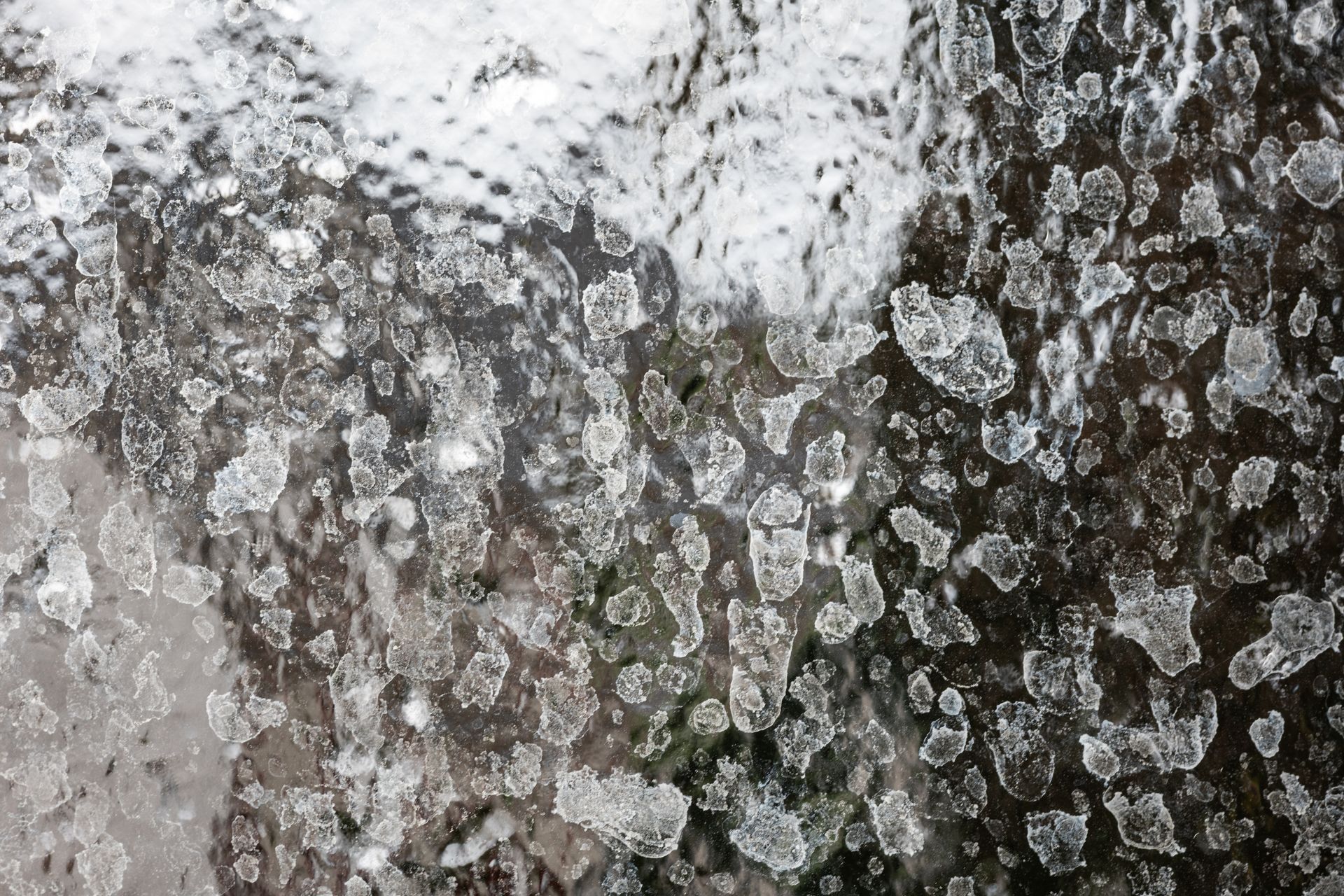
Hard water stains are one of the most common cleaning challenges for commercial properties throughout the Phoenix area. The Valley's water supply contains naturally occurring minerals such as calcium and magnesium, which can leave behind stubborn deposits on glass, tile, restroom fixtures and other surfaces when water evaporates.
Over time, these mineral deposits can make an otherwise clean facility appear neglected. White, cloudy residue on glass, buildup around faucets, stained tile surfaces and spotting on restroom partitions can be difficult to remove without the proper cleaning methods.
Professional commercial cleaners use specialized products, tools and techniques to safely remove hard water stains while protecting the underlying surface.
Common Areas Where Hard Water Stains Develop
Restroom Fixtures and Surrounding Surfaces
Faucets, sinks, mirrors, countertops and nearby wall surfaces frequently develop hard water spots and mineral residue. As water evaporates, it leaves behind dissolved minerals that gradually accumulate, creating white deposits and dulling the appearance of otherwise clean surfaces.
Shower Areas
Fitness centers, apartment community amenities, locker rooms and healthcare facilities often experience significant hard water accumulation in shower areas.
Tile walls, glass enclosures, fixtures and grout lines can all develop mineral deposits that become increasingly difficult to remove if not addressed regularly.
Exterior Glass
Many Phoenix businesses struggle with hard water staining on exterior glass. Irrigation systems, sprinkler overspray and landscape watering can leave mineral-rich water droplets on windows and entry doors.
Repeated exposure can create cloudy spots that detract from a property's appearance and curb appeal.
The Difference Between Etching and Mineral Deposits
Removable Mineral Deposits
Most hard water stains are caused by calcium and magnesium deposits sitting on the surface of the glass or tile. These stains often appear as cloudy white spots, streaks or crusty buildup and can usually be removed using the proper cleaning products and techniques.
Permanent Etching
Etching occurs when minerals remain on the surface for an extended period and begin damaging the material itself. On glass, this can create a permanently cloudy appearance that cannot be cleaned away because the surface has been physically altered.
While cleaning may improve the appearance of etched surfaces, complete restoration often requires polishing, resurfacing or replacement.
This distinction is important because not every stain can be fully removed once permanent damage has occurred.
The Professional Hard Water Stain Removal Process
1. Identify the Type of Buildup
The first step is evaluating the severity of the staining and determining whether the issue involves surface deposits or permanent etching.
This assessment helps cleaners select the safest and most effective treatment method for the material involved.
2. Apply Mineral Deposit Removal Products
Professional cleaners often use acidic cleaning solutions or specialized mineral-deposit-removal products designed to dissolve calcium and magnesium buildup.
These products break down the mineral accumulation without damaging compatible surfaces when used properly.
3. Agitate the Surface
Once the cleaning solution has had time to work, technicians use non-abrasive pads, brushes, microfiber materials or specialized tools to loosen and remove the deposits.
The goal is to lift away buildup without scratching glass, tile, partitions or fixtures.
4. Thoroughly Rinse and Clean
After the mineral deposits have been removed, the surface is rinsed and cleaned to eliminate any remaining residue from both the stain and the cleaning solution.
This step helps restore clarity and improve the overall appearance of the surface.
5. Repeat if Necessary
Severe buildup that has accumulated over months or years may require multiple treatment applications.
Professional cleaners often perform additional cleaning cycles to gradually remove stubborn deposits while minimizing the risk of surface damage.
Preventing Future Hard Water Stains
While professional cleaning can restore many affected surfaces, prevention is often the most cost-effective strategy.
Building owners, property managers and facility teams can help reduce hard water buildup by:
- Correcting sprinkler overspray that contacts windows
- Adjusting irrigation systems near buildings
- Regularly cleaning high-moisture areas
- Addressing leaks promptly
- Scheduling routine maintenance cleaning
- Removing deposits before they become severe
Keep Your Facility Looking Its Best With Our Top-Notch Building Services
Contact ProEthic Building Services today at (480) 725-8912 to learn more about our glass cleaning and hard water deposit removal services, or schedule a walkthrough to get a customized cleaning program for your property.