How Often Should You Deep Clean Your Commercial Space?
Dan O'Brien • May 28, 2025
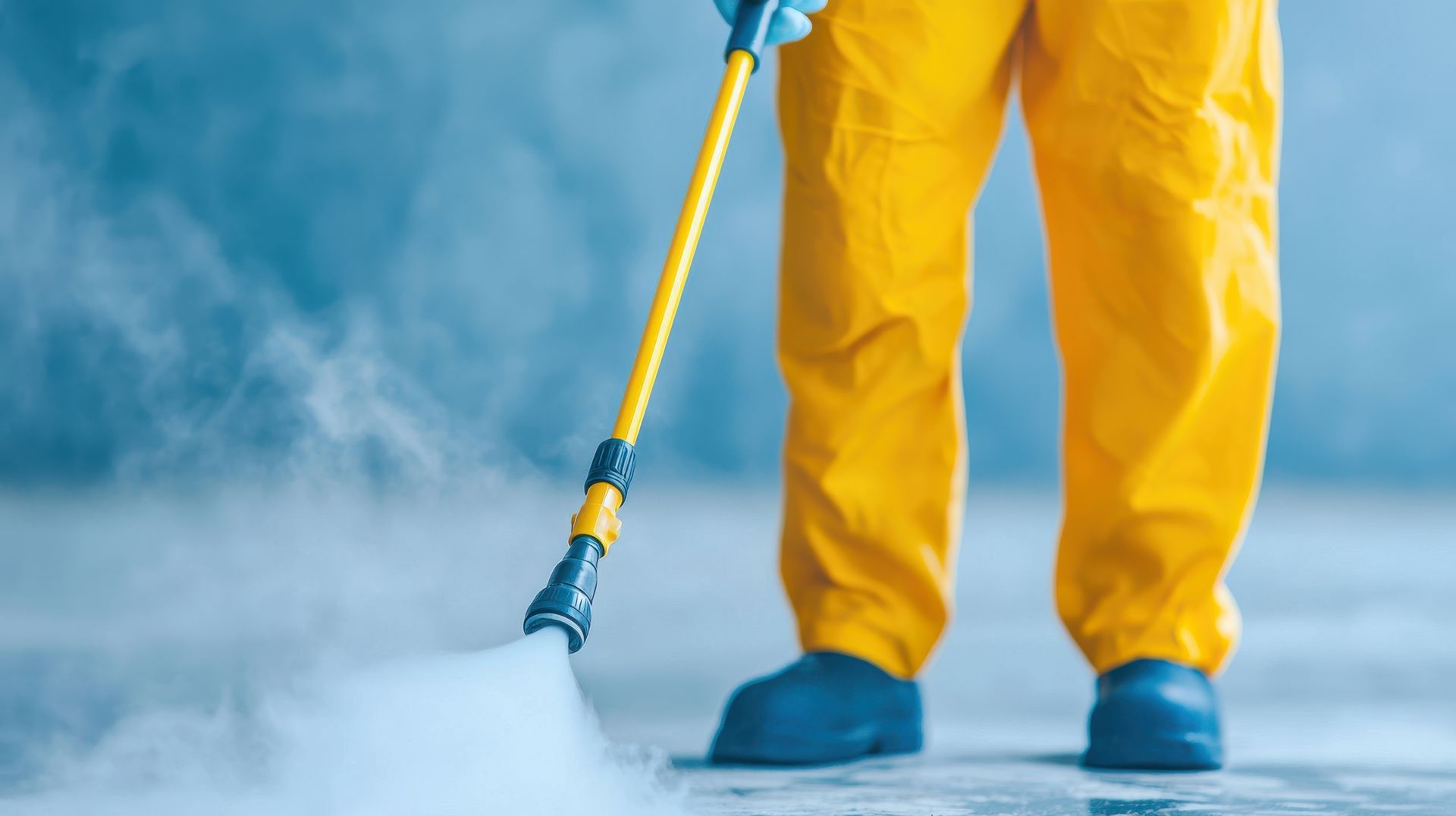
person pressure washing commercial building

Keeping a commercial space clean is essential for employee health and customer satisfaction. While routine cleaning handles the day-to-day mess, occasional deep cleaning is necessary to maximize the longevity of your equipment and facility. Determining how often to schedule deep cleaning depends on your property’s size, usage, industry, and specific needs.


Why Deep Cleaning Matters

Daily cleaning focuses on visible dirt and high-traffic areas, such as restrooms, lobbies, workstations, and breakrooms. Deep cleaning goes further. It targets areas often overlooked in daily maintenance, such as behind appliances, inside air ducts, and baseboards. It’s also an opportunity to prolong the life of materials like carpets and tile to prevent premature replacement.


Regular deep cleaning helps:


●      Eliminate bacteria and allergens

●      Improve air quality

●      Extend the life of flooring and furniture

●      Reduce workplace illnesses

●      Maintain a professional appearance

●      Support compliance with industry regulations


For most facilities, deep cleaning should supplement routine cleaning services and be tailored to your operational needs and risk levels.


Office Buildings

For standard office environments, deep cleaning every three to six months is recommended. This should include carpet shampooing, steam cleaning of upholstered furniture, dusting and disinfecting vents, ceiling fans, and light fixtures, and cleaning behind and beneath desks, appliances, and other stationary furniture. Unlike routine cleaning, deep cleaning targets areas that are often overlooked, helping to reduce allergens and maintain a healthier workspace.


If your facility recently hosted an event or dealt with illness outbreaks, one-off deep cleaning may be beneficial. Maintaining a clean workspace not only supports productivity but also leaves a positive impression on clients and potential hires.


Medical Facilities

Healthcare environments such as clinics, dental offices, and hospitals require more frequent and intensive deep cleaning due to high exposure to pathogens. These facilities often follow strict infection control guidelines, requiring daily sanitation and weekly or even daily deep cleaning in high-risk zones like operating rooms, exam rooms, and restrooms.


Areas like waiting rooms and administrative offices may follow a slightly less frequent schedule, but overall, medical environments demand higher cleaning frequencies across the board. Hiring professionals who understand medical-grade sanitation procedures is critical to compliance and safety.


Retail Stores

Retail spaces can be prone to dust accumulation, customer traffic-related messes, and surface contamination. Deep cleaning for retail stores should take place at least once every quarter. This includes floor waxing, dusting shelving units, cleaning fitting rooms, sanitizing checkout areas, and disinfecting doors and displays.


During seasonal sales, holiday rushes, or store remodels, it’s wise to schedule additional cleanings. Customers are more likely to return to businesses that feel clean, organized, and safe.


Warehouses and Industrial Facilities

Industrial and warehouse environments present unique challenges such as dust accumulation, grease buildup, and heavy-duty wear and tear. Deep cleaning schedules vary based on the materials handled and the equipment used, but most facilities benefit from a comprehensive deep cleaning every three to six months.


This should include floor scrubbing, machinery surface cleaning, high-level dusting, restroom sanitization, and breakroom deep cleans.


These efforts protect your team, reduce equipment downtime, and enhance regulatory compliance for OSHA and other agencies.


Educational Facilities

Schools, daycares, and training centers require regular deep cleaning to limit the spread of illness and maintain a healthy learning environment. In addition to daily sanitation, these spaces benefit from a monthly deep cleaning during the school year and a more extensive cleaning during summer or winter breaks.


Tasks include disinfecting desks and chairs, scrubbing floors, steam-cleaning carpets, sanitizing restrooms, and cleaning high-touch surfaces like doorknobs, lockers, and shared computers.


Multi-Tenant Buildings

Shared office spaces, apartment complexes, and co-working facilities see a constant rotation of people, making them hotspots for dirt and bacteria. Common areas like lobbies, elevators, restrooms, stairwells, and shared kitchens should be deep cleaned monthly to preserve aesthetics and sanitation.


Regular deep cleaning supports tenant satisfaction and reduces long-term maintenance costs by preserving finishes and fixtures.


Schedule Deep Cleaning for Your Commercial Space in Phoenix

Determining the right deep cleaning schedule for your facility isn’t one-size-fits-all. Your industry, operations, traffic, and health standards will influence your deep cleaning frequency. The team at ProEthic Building Services would be happy to advise you on deep cleaning and is always prepared to provide top-notch commercial cleaning services.


Contact us at ProEthic Building Services today to schedule a consultation by calling (480) 725-8912.

By Dan O'Brien January 7, 2026
In many commercial buildings, LVT, VCT and tile are treated as interchangeable hard floors. They are often cleaned on the same schedule , with the same tools and chemicals, regardless of how each surface actually behaves under foot traffic. Over time, that assumption shows up as uneven wear, premature finish failure and floors that never seem to hold their appearance. Foot traffic does not affect all hard floors the same way. Each material responds differently to abrasive soil, cleaning frequency and the methods used to maintain it. Why Foot Traffic Matters More Than Frequency Alone Fine dust and grit are a constant presence in Phoenix-area buildings. Abrasive soil is carried in through entrances, corridors, elevators and common pathways, then ground into floor surfaces hundreds or thousands of times per day. Cleaning frequency helps, but only when the cleaning method aligns with how the floor material reacts to traffic. A floor can be cleaned daily and still wear out early if the approach does not match the material’s vulnerabilities. How LVT Responds to Foot Traffic and Cleaning Luxury vinyl tile is valued for its appearance and durability, but its performance depends heavily on the integrity of its wear layer. Under consistent foot traffic, especially in main walk paths, fine grit causes micro-scratching that gradually dulls the surface of LVT. Aggressive cleaning accelerates this problem. Excessive scrubbing, improper pads or harsh chemicals can strip protective coatings and thin the wear layer faster than traffic alone. Once that surface is compromised, LVT often shows lane wear and discoloration that cannot be corrected through routine cleaning. LVT performs best when cleaning focuses on removing abrasive soil gently and consistently rather than relying on force. Over-cleaning can be just as damaging as under-cleaning, particularly in high-traffic zones. How VCT Responds to Foot Traffic and Cleaning VCT behaves differently because it relies on floor finish for both protection and appearance. Foot traffic does not damage the tile itself as quickly as it erodes the finish layer on top. High-traffic areas like corridors, restrooms and elevator lobbies lose finish faster, which leads to dull spots, uneven gloss and discoloration. Daily cleaning removes soil, but it also removes finish over time, especially when the wrong pads or chemicals are used. The key distinction with VCT is that cleaning and finish maintenance are inseparable. A schedule that focuses only on soil removal without accounting for finish wear often results in frequent strip-and-wax cycles. Those cycles increase labor costs and shorten the lifespan of the tile. Effective VCT care balances cleaning frequency with finish preservation, targeting traffic-heavy zones before appearance issues spread. How Tile Responds to Foot Traffic and Cleaning Tile is often considered the most durable of the three, but its weaknesses are less obvious. The tile surface itself holds up well, while grout lines and textured finishes quietly accumulate soil. Foot traffic pushes fine debris into grout, where daily mopping rarely reaches. Over time, this creates darkened grout lines and a floor that looks dirty even when it is cleaned regularly. In textured or slip-resistant tile, soil becomes embedded in surface contours, further reducing appearance and increasing cleaning difficulty. Tile also presents safety considerations. As grout and texture load up with soil, floors can become slick or uneven underfoot. Cleaning schedules that rely solely on surface mopping fail to address this buildup, especially in high-traffic areas. Tile requires periodic deep cleaning focused on grout and texture, not just the visible surface. Why One Cleaning Schedule Fails in Mixed-Floor Buildings Buildings with multiple flooring types often apply a single cleaning routine across all surfaces. This approach creates predictable problems. LVT shows wear from overly aggressive methods, VCT loses finish unevenly and tile develops embedded soil that never fully comes out. Traffic patterns compound the issue. Entryways, corridors and shared spaces experience far more stress than private offices, yet they are often cleaned the same way, on the same schedule. The result is higher restoration costs and floors that age faster than expected. Zoning floor care by both material and traffic volume helps prevent these outcomes. Aligning Cleaning Methods With Material Performance Effective floor care in Phoenix is less about cleaning more often and more about cleaning correctly. Matching tools, chemicals and frequency to each flooring type reduces wear while maintaining appearance. For LVT, that means gentle soil removal and finish protection. For VCT, it means managing finish loss before it becomes visible damage. For tile, it means addressing grout and texture before buildup becomes permanent. When cleaning programs are adjusted to how floors actually respond to use, facilities see longer floor life, more consistent appearance and fewer disruptive restoration projects. Get professional recommendations on your property’s floor cleaning and maintenance practices by calling (480) 725-8912 to request a consultation with ProEthic Building Services.
By Dan O'Brien December 29, 2025
Office odor complaints often surface in buildings that otherwise appear clean. Floors are mopped, trash is emptied and restrooms are serviced, yet unpleasant smells linger or keep returning. In most cases, the issue is not a lack of cleaning, but where and how cleaning is being performed. Odors are typically the result of residue, moisture or organic material. Some of the sources are simply not addressed by routine cleaning. In other cases, a cleaner’s approach might be responsible for lingering or the reappearance of odors. Why Odors Linger in “Clean” Office Spaces Standard office cleaning focuses on visible surfaces and high-priority tasks. While that keeps spaces looking presentable, it does not always remove the sources that generate odors. Air circulation can move smells from one area to another, making the origin harder to identify. Air fresheners and deodorizing products may temporarily mask the issue, but they do not resolve the underlying cause. Without targeted cleaning, odors resurface and complaints continue. Breakrooms and Shared Kitchens Breakrooms are one of the most common sources of office odors. Food residue builds up on appliance exteriors, handles and control panels. Spills around refrigerators, microwaves and coffee stations often reach base areas and flooring where they are not addressed during routine cleaning. Trash containers contribute as well. Even when liners are changed regularly, the containers themselves can absorb odors over time. Floors and grout near trash areas trap moisture and organic material, creating smells that linger long after the trash is removed. Consistent detail cleaning in breakrooms is essential. Wipe-downs alone are rarely enough to prevent odor buildup in these spaces. Restrooms Beyond the Fixtures Restrooms can smell clean early in the day and develop odors later as usage increases. This usually points to moisture and residue in areas beyond sinks and toilets. Floors, partitions and dispenser exteriors often hold onto moisture and organic material. Grout lines and base areas are especially vulnerable. Without sufficient attention, these surfaces become odor sources that are difficult to eliminate with surface-level cleaning. High-use restrooms may also require daytime attention. Odors that develop midday are rarely resolved by nighttime cleaning alone. When Cleaning Practices Spread Odors Instead of Removing Them In some cases, restroom odors persist or worsen after mopping due to how cleaning is performed rather than what products are used. When mop water is not changed frequently enough, or when the same mop and solution are used across multiple restrooms or adjacent areas, contaminants are diluted and redistributed instead of removed. If water is reused, odor-causing compounds are spread across grout, base areas and nearby walkways. As those surfaces dry, odors become more noticeable rather than less. Well-managed commercial cleaning programs control this risk by separating restroom tools (like mop heads) from common areas and refreshing cleaning solutions frequently. When those controls are missing or skipped for the sake of expediency, odors can linger even in facilities that are cleaned on a regular schedule. Soft Surfaces and Flooring Carpets, mats and upholstered furniture absorb odors over time. Foot traffic carries in oils, moisture and debris that settle into fibers. Vacuuming removes surface debris, but it does not address embedded material that contributes to lingering smells. Fabric partitions and seating can also trap odors, especially in offices with food consumption or heavy use. Without periodic deep cleaning, these soft surfaces continue to release odors back into the space. Recognizing when routine cleaning is no longer sufficient helps prevent odor problems from becoming permanent. Trash Areas and Waste Handling Centralized trash rooms and waste collection areas can affect nearby offices if not properly maintained. Odors migrate through corridors and shared spaces, often leading occupants to assume the issue is local to their area. Inconsistent liner changes, unclean containers and infrequent floor cleaning all contribute. Addressing waste handling as part of a comprehensive cleaning plan helps prevent odors from spreading beyond their point of origin. Odors as Indicators of Cleaning Gaps Persistent odors are often an early sign that certain tasks are being missed or performed too infrequently. They point to patterns, not one-time issues. Recurring smells in the same areas indicate where cleaning programs need adjustment. Addressing these gaps early prevents larger problems and reduces occupant complaints. Addressing Phoenix Office Odors Through Better Cleaning Practices Effective odor control starts with identifying sources, not covering them up. Targeted cleaning, adjusted frequencies and attention to detail in high-risk areas make a measurable difference for offices in Phoenix. Coordinating nightly cleaning with daytime porter support helps manage odors in high-use spaces. Professional assessments can uncover hidden contributors that routine cleaning overlooks. Get professional recommendations on eliminating persistent office odors through improved cleaning and maintenance by calling (480) 725-8912 to request a consultation with ProEthic Building Services.
More Posts