The Overlooked Link Between Carpet Cleanliness and Indoor Allergen Reduction in Fall
While most office maintenance plans focus on air filters and surface disinfection for fall allergy reduction, the carpets are often overlooked. Carpets act as both a filter and a reservoir for dust, pollen, mold spores, and debris. During the fall season, when allergen levels spike and foot traffic brings more contaminants indoors, carpets can quickly become one of the largest contributors to poor indoor air quality. Without a proactive cleaning strategy, these fibers trap allergens that later circulate through the air every time someone walks across them.
Fall Creates the Perfect Storm for Indoor Allergens
Fall in Phoenix coincides with the peak season for weed pollens (ragweed, tumbleweed, desert weeds) and increased dust from dry soils, construction, and seasonal wind patterns. Dust and pollen cling to shoes, clothing, boxes, and supplies. When tracked inside, they work their way into carpet fibers and upholstery. Over time, indoor dust builds up, and as air-conditioning or HVAC systems run, particles circulate, sending allergens back into the breathing zone.
Carpet Fibers Trap Allergens That Affect Indoor Air Quality
Carpets can trap pounds of dirt and debris across just a few square yards, depending on foot traffic and cleaning frequency. The issue is not just the presence of allergens but how easily they get released.
Every step taken on a carpeted surface pushes air through the fibers. This creates a “pumping” effect that releases:
- Pollen
- Dander
- Dust mites and microscopic debris
- Mold spores
- Dry particulate soil
These particles float into the air, resettle on desks and counters, and circulate through the building’s ventilation system. This continual cycle causes prolonged allergen exposure and triggers symptoms for occupants sensitive to seasonal irritants.
Employees often report more sneezing, itchy eyes, headaches, or fatigue when carpets are overdue for a deep clean. Visitors may notice musty odors or visible dust, which can harm a facility’s professional appearance.
High-Traffic Areas Increase Allergen Load Even More
Some zones accumulate allergens faster than others, including:
- Lobbies and entryways
- Hallways and corridors
- Breakrooms
- Conference rooms
- Waiting areas
- Carpeted office spaces
During the fall season, foot traffic may increase for some businesses due to seasonal activity or holiday staffing. These high-traffic areas become hotspots for allergen buildup, leading to noticeable declines in air quality and cleanliness if not addressed. These areas can eventually hold so much dust and debris that daily vacuuming is no longer effective.
Deep Cleaning Helps Break the Allergen Cycle
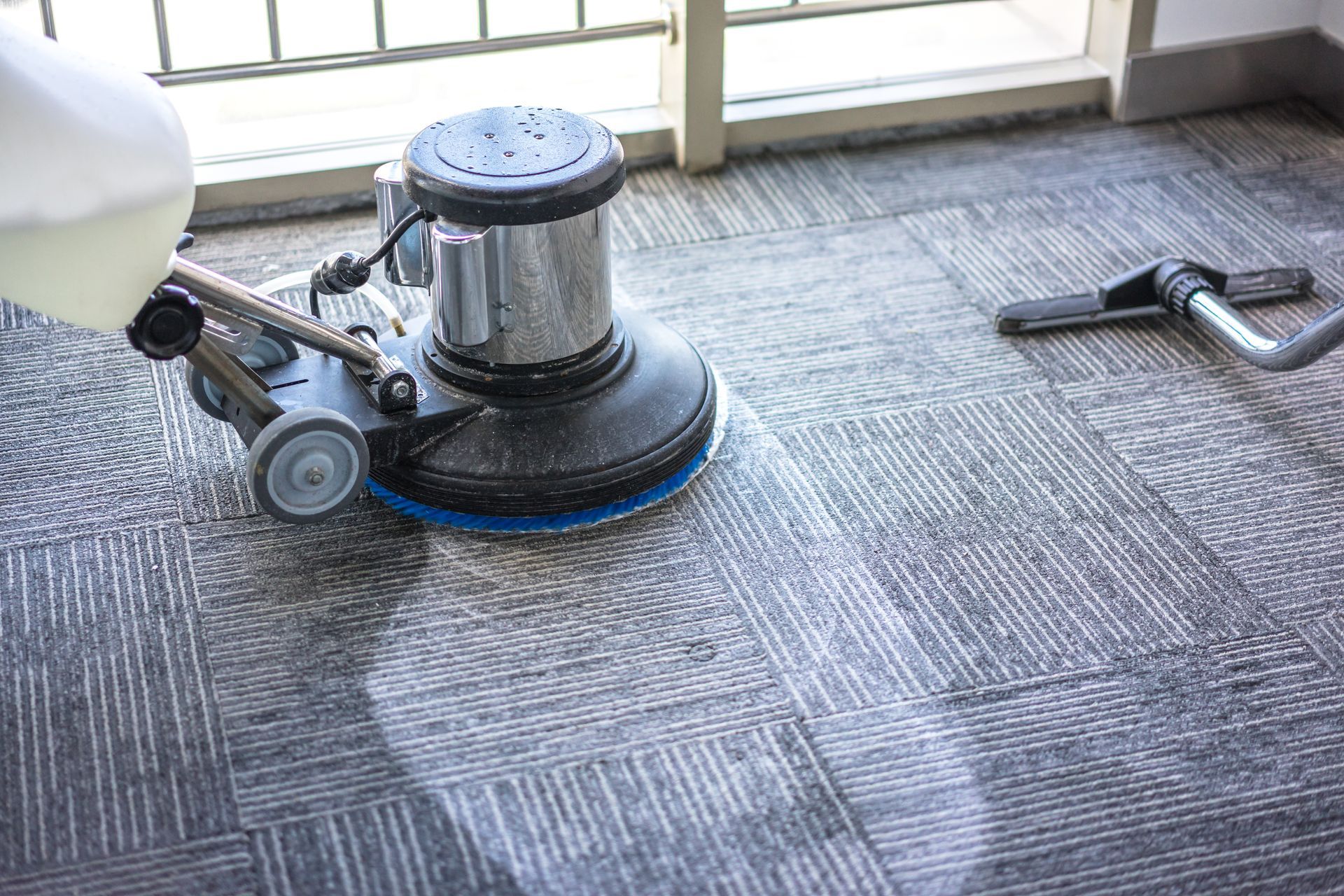
Regular vacuuming is essential, but not enough to control allergens during the fall. Commercial carpet tiles are designed with low, dense pile for durability, but that same construction allows fine dust and allergens to settle deeper than standard vacuums typically reach.
Vacuuming removes surface-level particles, yet allergens often cling tightly to the carpet’s deeper layers, requiring more thorough cleaning to lift them effectively.
A deep cleaning schedule during the fall accomplishes several things.
- Removes embedded debris that vacuums cannot reach
- Reduces airborne allergens that recirculate during foot traffic
- Improves indoor air quality throughout the colder months
- Eliminates odors caused by moisture, dust, and organic particles
- Extends the life and appearance of carpets
Scheduled Cleaning Aligns With Seasonal Allergen Patterns
Because fall creates a surge in tracked-in allergens, this season is one of the most important times for a facility to:
- Evaluate carpet condition
- Review cleaning frequency
- Schedule a mid-season deep clean
- Increase vacuuming in high-traffic areas
- Replace HVAC filters to complement carpet care
A well-timed carpet cleaning plan helps prevent allergen buildup from compounding throughout the winter. Buildings that delay deep cleaning until spring often deal with months of elevated irritants, musty odors, and occupant discomfort.
Fall Is the Time to Update Your Carpet Care Strategy
To protect indoor air quality and reduce allergens throughout the fall and winter, facility managers should partner with a cleaning provider in the Greater Phoenix Area who knows how seasonal contaminants affect carpets and overall building health.
Contact us at ProEthic Building Services today by calling (480) 725-8912, or schedule an evaluation online.