Why High-Dusting Matters More Than Most Facility Managers Think
For most facility managers, cleaning priorities naturally center around visible, high-traffic areas. Floors, restrooms, entryways, and desks receive plenty of attention because they are the first things occupants notice.
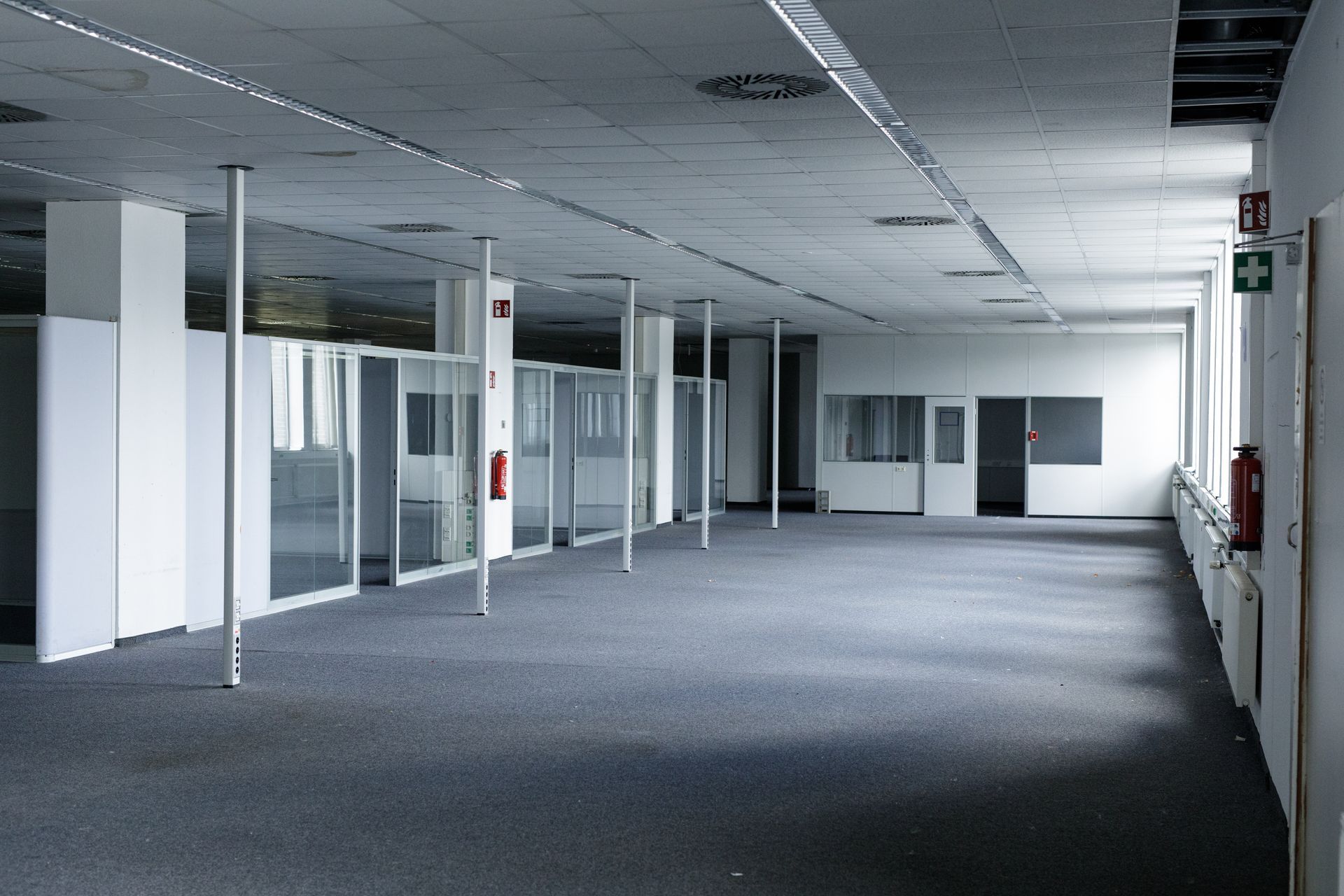
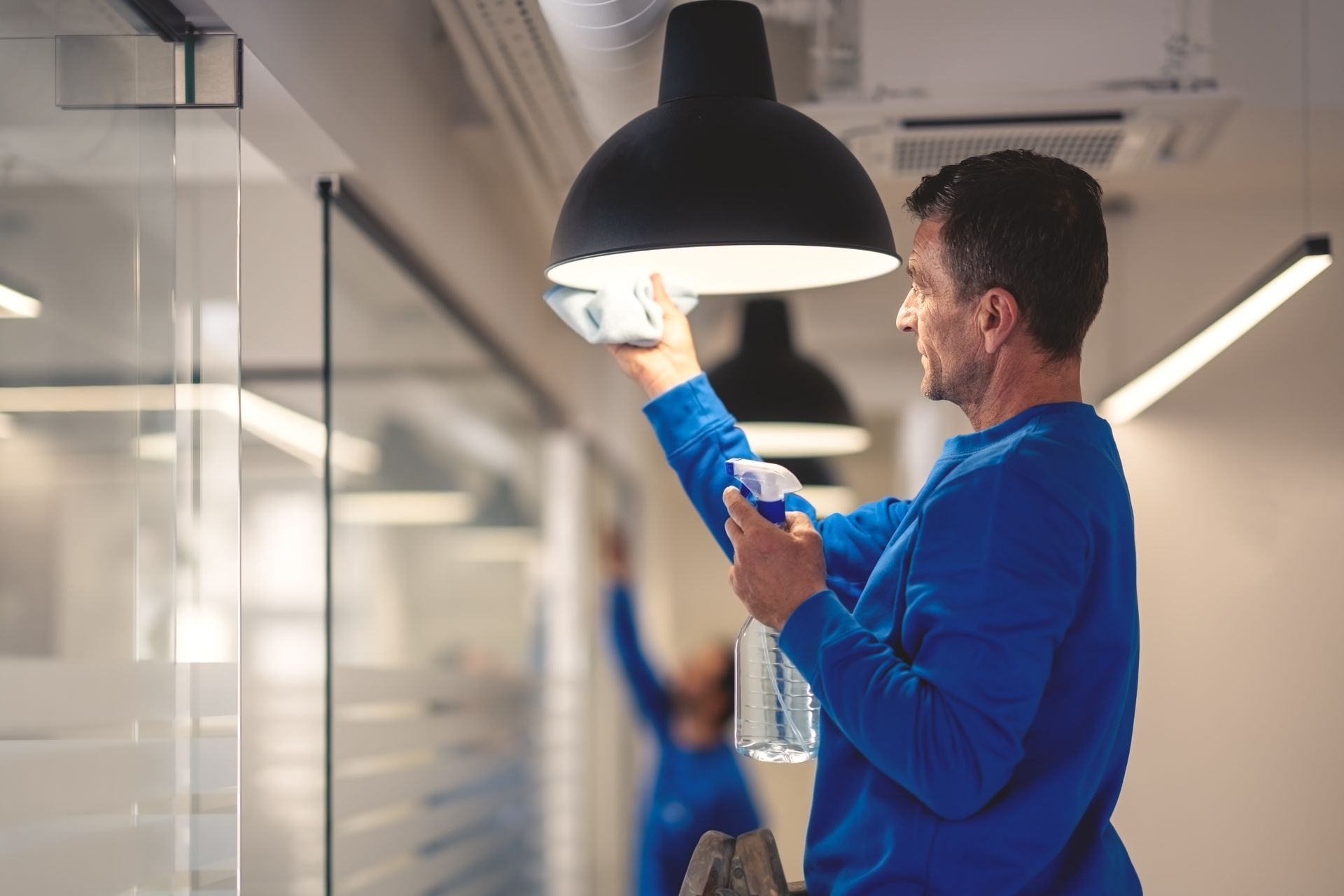
Unfortunately, some of the biggest contributors to poor indoor air quality, dust migration, and overall cleanliness are the areas that are not easily seen. High-dusting, the thorough cleaning of elevated surfaces such as vents, beams, rafters, lights, and ceiling-mounted equipment, is often overlooked, even though these areas play a major role in the cleanliness of the space below.
Over time, the buildup of dust, debris, and contaminants on high surfaces affects indoor air quality, impacting employee health and undermining the effort put into routine cleaning tasks.
High Surfaces Accumulate More Dust Than You Think
Dust follows gravity. As dust particles rise on air currents and settle, elevated surfaces become natural landing zones. In commercial spaces, this settling happens on:
- Structural beams
- Light fixtures
- Air vents and ductwork exteriors
- Ceiling fans
- Sprinkler heads
- Tops of shelving units
- Pipework and conduit
- Ledges near the ceiling
These areas collect dust at a faster rate than many expect for one simple reason. They are rarely touched. Without regular dusting, they become long-term storage areas for debris that eventually makes its way back down into the workspace.
Even facilities that appear clean at eye level often have a surprising layer of dust forming just a few feet higher. Because these high surfaces are difficult to reach, many janitorial teams skip them unless instructed otherwise. This leads to months or even years of accumulation that gradually releases particles into the environment.
Neglected High Surfaces Shed Dust Onto Occupied Spaces
One of the biggest challenges with high surfaces is that people rarely look up. Dust sitting overhead is easy to ignore until it becomes visible on lower surfaces. When beams, vents, and fixtures accumulate debris, the particles fall downward, landing on freshly cleaned floors, product displays, equipment, and furniture. This creates more work for maintenance teams and makes the facility appear poorly cared for, even when staff are doing their best.
Over time, this falling dust leads to:
- Constant re-dusting of furniture and surfaces
- Floor cleaning that never seems to stay effective
- Discoloration around vents or light fixtures
- Faster wear and tear on electronics and machinery
- A dingy look that makes the facility appear outdated or neglected
High-Dusting Supports a Healthier and More Productive Workplace
Indoor air quality affects everything from allergen levels to overall employee comfort. Workers who breathe cleaner air often experience fewer symptoms of irritation and fatigue. In environments where customers or tenants are present, clean air contributes to a better overall impression and a more pleasant experience. A consistent high-dusting schedule supports workplace health by reducing:
- Dust mites
- Pollen
- Dander
- Mold spores near vents and HVAC lines
- General airborne particulates
Cleaner air improves focus, reduces headaches, and can even help extend the lifespan of sensitive electronics and equipment. High-dusting is not just a cleaning task. It is a maintenance strategy that supports safety, productivity, and the long-term performance of the facility.
High-Dusting Requires Proper Tools and Professional Expertise
Because high surfaces are difficult and sometimes unsafe to reach, this task is best handled by trained cleaning professionals who have the right equipment. Professional cleaning teams use:
- Extension poles
- HEPA-filtered vacuums
- Lifts for extra high ceilings
- Dust suppression tools that prevent redistribution
Make High-Dusting a Planned Part of Facility Maintenance
High-dusting should be part of every facility’s cleaning schedule. Whether performed quarterly, biannually, or annually, the frequency depends on the nature of the facility, foot traffic, and how much dust the environment generates. Integrating it into your regular cleaning program prevents buildup and keeps the entire space cleaner, healthier, and easier to maintain.
Keep Your Facility Cleaner With Professional Office Cleaning in Phoenix
If your commercial building is overdue for high-dusting or you want to improve your overall cleaning program, ProEthic Building Services provides reliable solutions that help keep every part of your facility dust-free.
Contact us at (480) 725-8912 to schedule service or request a customized cleaning plan that keeps your space healthy, professional, and consistently clean.